
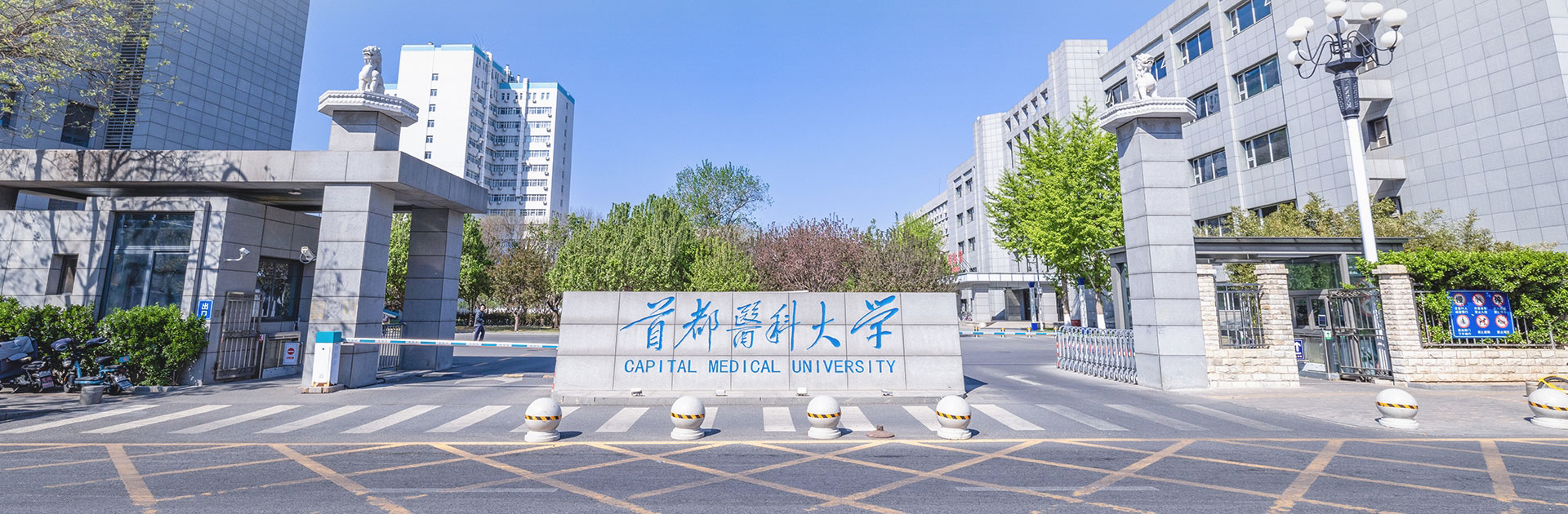


Capital Medical University (CMU), founded in 1960, is a key municipal institution of higher education in Beijing and is jointly established by the Beijing Municipal Government, the National Health Commission, and the Ministry of Education. The late Professor Wu Jieping, a renowned urologist, academician of both the Chinese Academy of Sciences and the Chinese Academy of Engineering, and former Vice Chairman of the Standing Committee of the National People's Congress, served as the university’s first President. The current Secretary of the Party Committee is Wang Dapin, and the President is Professor Zhang Luo, an expert in otorhinolaryngology.
Full-time students
Teacher
Undergraduate major in school
research project
Professor
The university’s main campus comprises 12 schools and 2 research centers, including the School of Basic Medical Sciences, School of Pharmaceutical Sciences, School of Public Health, School of Nursing, School of Biomedical Engineering, School of Traditional Chinese Medicine,School of Medical Humanities and General Practice, School of Continuing Education, School of Marxism, International School, Yanjing Medical College, School of Medical Technology, Beijing Institute for Brain Disorders, and the Chinese Institutes for Medical Research, Beijing. CMU currently has 23 clinical medical schools (22 affiliated hospitals), including Xuanwu Hospital (the First Clinical Medical School), Beijing Friendship Hospital (the Second Clinical Medical School), Beijing Chao-Yang Hospital (the Third Clinical Medical School), Beijing Tongren Hospital (the Fourth Clinical Medical School), Beijing Tiantan Hospital (the Fifth Clinical Medical School), Beijing Anzhen Hospital (the Sixth Clinical Medical School), Beijing Jishuitan Hospital (the Seventh Clinical Medical School), Fu Xing Hospital (the Eighth Clinical Medical School), Beijing You An Hospital (the Ninth Clinical Medical School), Beijing Chest Hospital (the Tenth Clinical Medical School), Sanbo Brain Hospital (the Eleventh Clinical Medical School), Beijing Ditan Hospital (the Twelfth Clinical Medical School), Beijing Children's Hospital (School of Pediatrics), Capital Center for Children's Health (the Second School of Pediatrics), Beijing Stomatological Hospital (School of Stomatology), Beijing Anding Hospital (School of Mental Health), Beijing Obstetrics and Gynecology Hospital (School of Obstetrics and Gynecology), Beijing Hospital of Traditional Chinese Medicine (Clinical Medical School of Traditional Chinese Medicine), Beijing Shijitan Hospital (Cancer Medical School), Beijing Rehabilitation Hospital (Beijing Rehabilitation Medical School), Beijing Luhe Hospital (Luhe Clinical Medical School), Beijing Huilongguan Hospital, China Rehabilitation Research Center (School of Rehabilitation Medicine), and China-Japan Friendship Hospital (China-Japan Friendship Clinical Medical School), as well as the Preventive Medicine Teaching Base (Beijing Center for Disease Prevention and Control). The university also hosts 41 clinical specialty academies and specialty departments, and 40 clinical diagnosis and treatment research centers.
CMU currently has 16,763 full-time students, including 8,548 postgraduates, 7,559 undergraduates, 261 higher vocational college students, and 395 international students; there are also 2,605 continuing education students. The university and its affiliated hospitals employ 9,158 faculty members, including 9 academicians; 1,296 full professors and 2,294 associate professors; 1,554 doctoral supervisors and 2,039 master's supervisors.
The university has 8 national key disciplines and 2 national key (cultivation) disciplines; 99 national key clinical specialties (including TCM); 14 key (cultivation) disciplines of the National Administration of Traditional Chinese Medicine; 4 Beijing municipal first-level key disciplines, 6 Beijing municipal second-level key disciplines, 1 Beijing municipal key interdisciplinary discipline, and 1 higher education discipline cluster in Beijing. As of March 2026, 16 CMU disciplines rank among the global top 1% in the Essential Science Indicators (ESI): Clinical Medicine, Pharmacology & Toxicology, Neuroscience & Behavior, Immunology, Biology & Biochemistry, Molecular Biology & Genetics, Social Sciences General, Psychiatry & Psychology, Microbiology, Environment & Ecology, Chemistry, Materials Science, Agricultural Sciences, Engineering, Multidisciplinary, and Computer Science. Among these, Clinical Medicine, Pharmacology & Toxicology, and Neuroscience & Behavior rank in the top 1‰; Immunology, Biology & Biochemistry, and Molecular Biology & Genetics rank in the top 3‰; and Social Sciences General, Psychiatry & Psychology, and Microbiology rank in the top 5‰.
The university offers 8 first-level doctoral degree programs and 13 first-level master's degree programs; at the secondary and tertiary discipline levels, there are 59 doctoral degree programs and 77 master's degree programs. It has the authority to confer professional master's and doctoral degrees in all medical and medically related fields. There are 9 postdoctoral research stations. The university offers long-cycle programs in Clinical Medicine, Pediatrics, and Stomatology; and 27 undergraduate majors, including Clinical Medicine, Basic Medical Sciences, Stomatology, Pediatrics, Preventive Medicine, Psychiatric Medicine, Pharmacy, Clinical Pharmacy, Traditional Chinese Medicine, Chinese Materia Medica, Nursing, Biomedical Engineering, Prosthetics and Orthotics, Intelligent Medical Engineering, Rehabilitation Therapy, Rehabilitation Physical Therapy, Rehabilitation Occupational Therapy, Audiology and Speech-Language Rehabilitation, Public Administration (Health Management), Law (Health Law), Medical Experimental Technology, Clinical Laboratory Technology, Medical Imaging Technology, Information Management and Information Systems (Health Information Management), Ophthalmology and Optometry, Health Inspection and Quarantine, and Midwifery. Higher vocational (junior college) education offers Clinical Medicine and Nursing. The university cultivates academic and application-oriented talents in medical and medically related fields, forming a comprehensive, multi-level, and innovative talent development model.
CMU currently hosts 6 pilot programs under the Ministry of Education and the National Health Commission's "Physician Education and Training Program of Excellence"; 7 national-level and 10 municipal-level featured specialties; 4 Beijing municipal key construction first-class majors, 13 national-level and 11 municipal-level first-class undergraduate program construction sites; 5 national-level quality resource-sharing courses, 7 national-level and 18 municipal-level quality courses, 27 national-level first-class undergraduate courses, and 29 Beijing municipal high-quality undergraduate courses; 2 national-level curriculum-based ideological and political demonstration courses and 8 Beijing municipal university curriculum-based ideological and political demonstration courses. There are 3 national-level and 6 municipal-level experimental teaching demonstration centers, 3 national-level and 1 municipal-level innovative experimental zone for talent cultivation models, 5 municipal-level off-campus talent cultivation bases, and 1 quality education base. The university has 7 national-level outstanding teaching teams, 2 Huang Danian-style faculty teams, 2 Ministry of Education model teaching teams for curriculum-based ideological and political education, 11 municipal-level outstanding teaching teams, 5 Beijing outstanding undergraduate education teams, and 8 Beijing municipal university curriculum-based ideological and political demonstration course teams. It has 1 national-level teaching master, 33 municipal-level teaching masters, 5 young teaching masters, and 3 "High-Level Talent Program" teaching masters. The university has received national teaching achievement awards, including 1 grand prize, 9 second prizes, and 1 excellence award; and municipal teaching achievement awards, including 2 grand prizes, 25 first prizes, 40 second prizes, and 1 excellence award. In 2023, CMU received full affirmation from the expert panel in the Ministry of Education's undergraduate teaching quality assessment, and in 2024 it successfully passed the Ministry of Education's clinical medicine program accreditation with high quality.
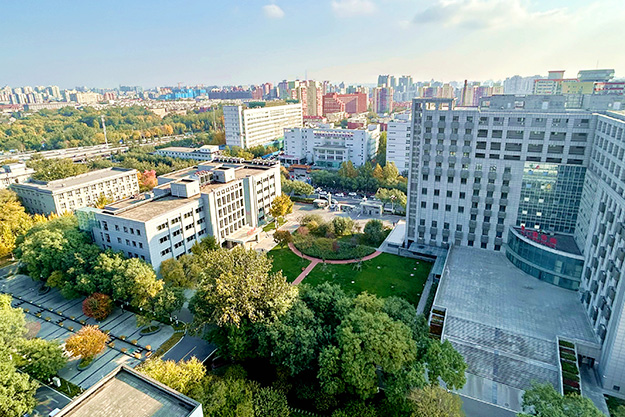
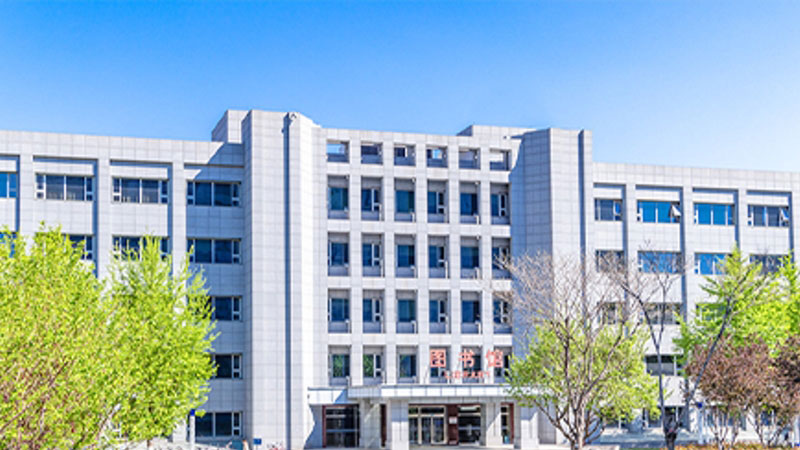
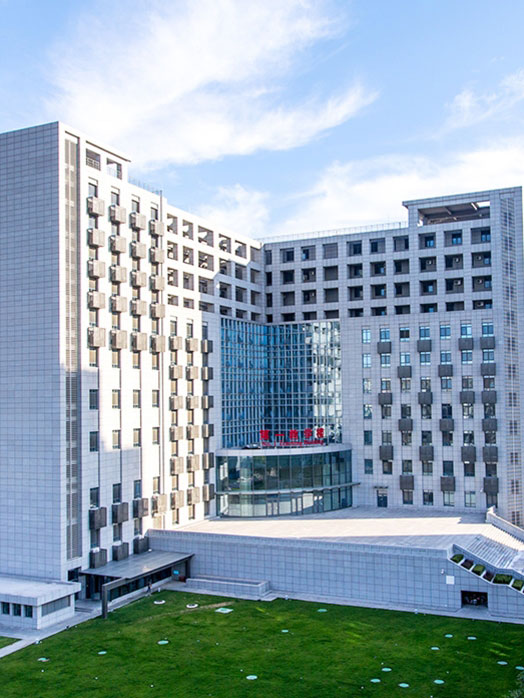
CMU also operates public service platforms including the Library, Archives, University History Museum, Central Laboratory, Laboratory Animal Department, Journal Editorial Office, and University Hospital.
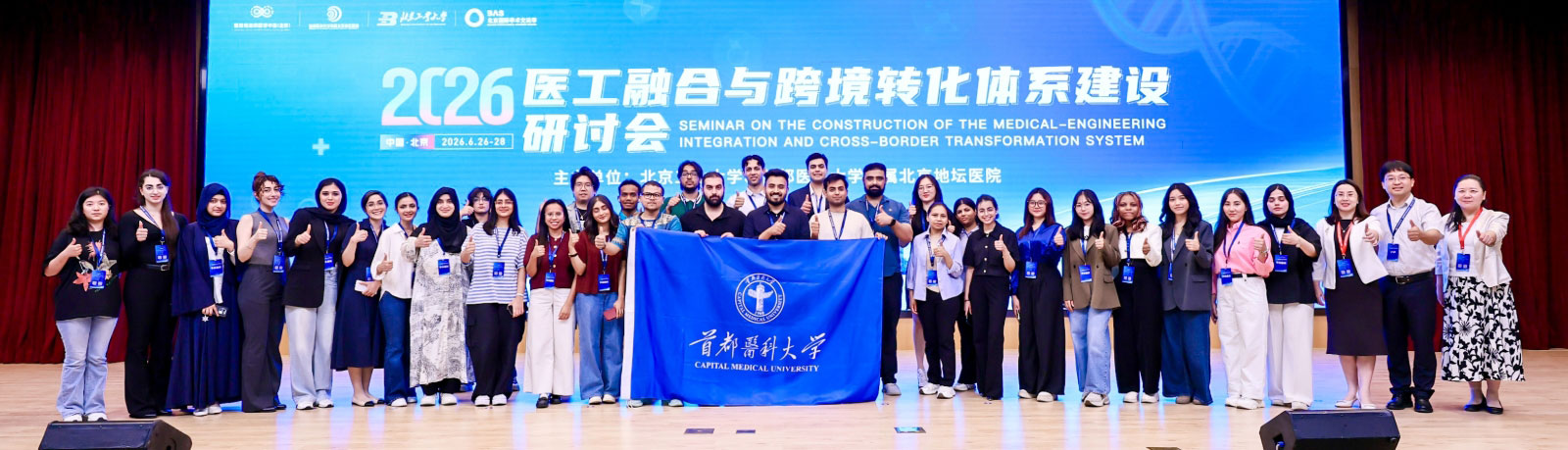
The university has established friendly exchange and cooperation agreements with universities and related institutions from over 20 countries and regions, including the United States, Canada, Australia, the United Kingdom, Sweden, and Norway. It has welcomed hundreds of experts, scholars, and students from more than 50 countries and regions for academic exchange visits. CMU was among the first institutions in Beijing to be approved as a "Belt and Road" national talent training base and is one of the designated universities for the Innovative International Talents Training Program of the China Scholarship Council. International students are enrolled in undergraduate, master's, doctoral, and advanced study programs. In addition to exchange visits, the university also arranges for its faculty and students to participate in study programs and academic conferences through various online and offline channels.
Capital Medical University unwaveringly adheres to the socialist orientation in running the institution, fully implements the Party's educational policy, and remains firmly committed to the fundamental task of fostering virtue through education. Upholding the motto "Health, Society, Virtue, Ability" and following the laws of medical education, the university bears in mind its social responsibilities. It dedicates itself to contributing to the Healthy China and Healthy Beijing initiatives, the implementation of the Beijing-Tianjin-Hebei coordinated development strategy, and the functional development of Beijing as the "four centers". It strives to build a medical university that satisfies the people, nurtures healthcare professionals that the people can trust, and generates scientific research outcomes that better serve the public's aspirations for a healthy and better life. At this new historical starting point, all members of Capital Medical University will implement the new development philosophy and focus on high-quality development. We will further seek truth and be pragmatic, pool our strength, forge ahead with enterprise, and strive for excellence. We will comprehensively enhance the university's core competitiveness and are committed to building it into a world-class research-oriented medical university.
(Updated June 2026)
