


Source: Beijing Tongren Hospital, Capital Medical University, Publicity Department of the Party Committee of CMU
Proofread and Edited by the International Cooperation Office
On May 7, 2026, the press conference for the Allergy China Theme Special Issue was held in Beijing. Professor Cezmi Akdis, Editor-in-Chief of Allergy from the Swiss Institute of Allergy and Asthma Research (SIAF), attended the launch event and spoke highly of the important progress Chinese scholars have made in allergy science in recent years. Professor Zhang Luo, Associate Editor of Allergy and President of Capital Medical University, reviewed the six-year publication history of the journal's China-themed issues, noting that specialists and scholars from across the country shared their research innovations and clinical practice insights in these issues and discussed the future development of the discipline together, which fully demonstrated the solid pace of China's allergy community from continuous catch-up to moving toward international leadership.
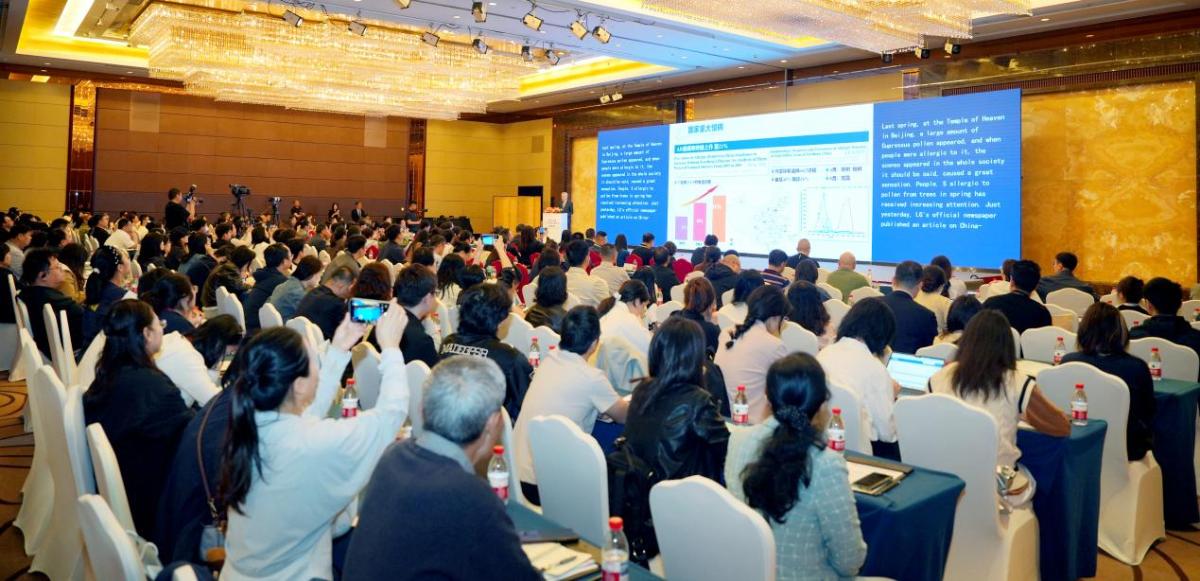
Press Conference
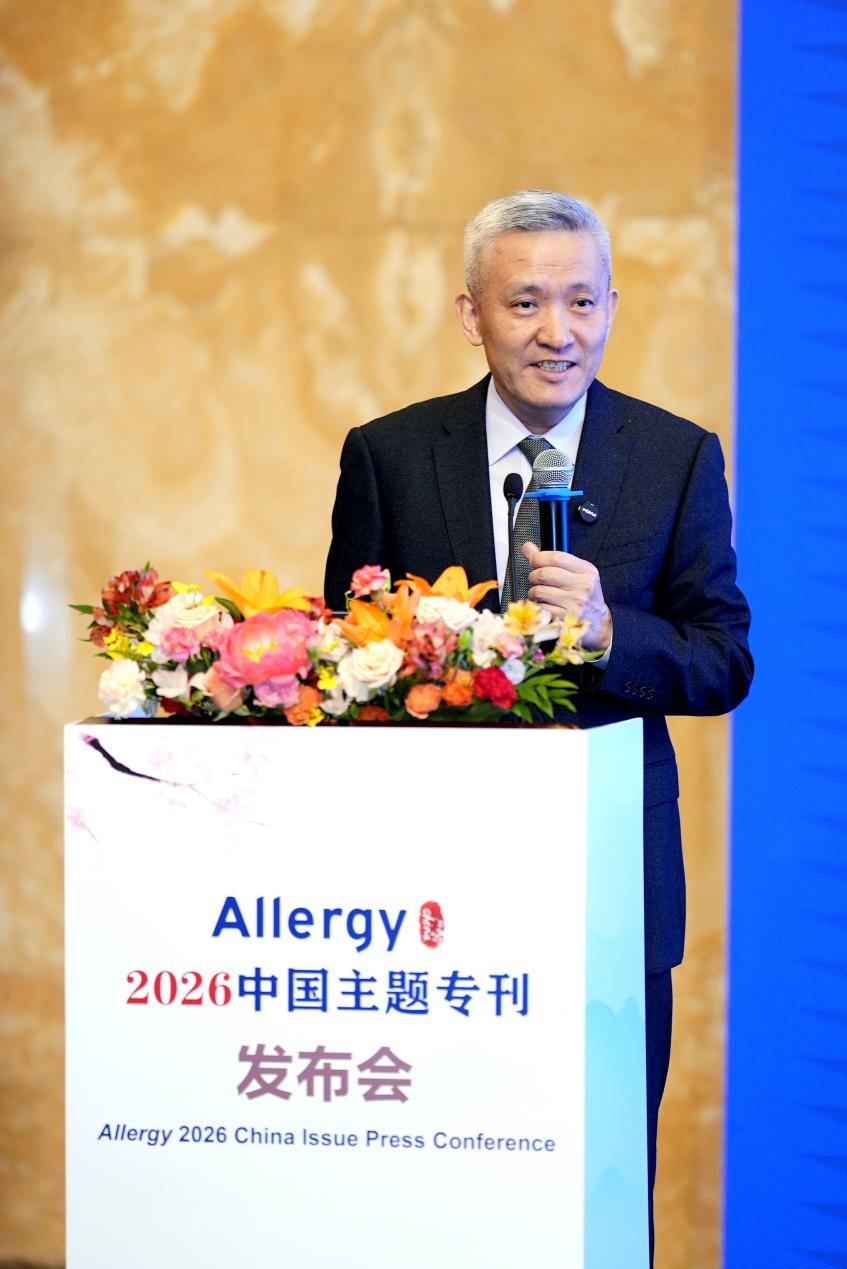
Zhang Luo Introducing the Allergy Special Issue
Founded in 1948, Allergy is the official journal of the European Academy of Allergy and Clinical Immunology (EAACI) and is one of the most influential academic journals in the global field of allergy science and clinical immunology. Since Professor Zhang Luo took on the role of Associate Editor, he has consistently promoted the international dissemination of Chinese research achievements in allergy science, opening up important pathways for Chinese scholars to access the global academic stage. Since 2021, the journal has published a China Theme issue as a regular issue each year, with cover designs incorporating distinctive Chinese cultural elements—a hallmark of Chinese allergy science's international outreach.
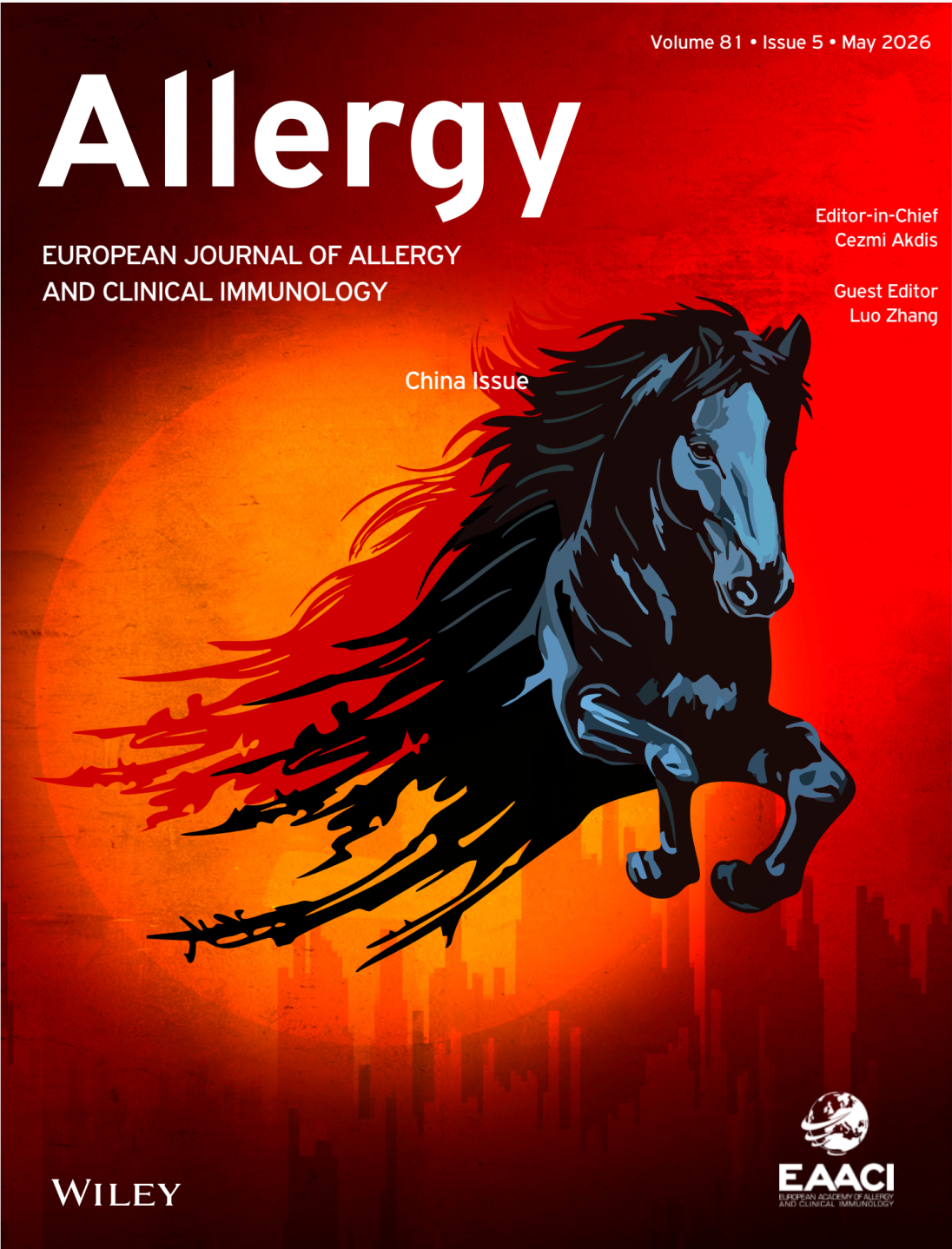
Allergy Releases Sixth China Issue
This year marks the sixth publication of the Allergy China Issue, co-guest-edited by Professor Akdis and Professor Zhang Luo. The issue features 56 papers by Chinese scholars, including 2 editorials, 4 reviews, 1 guideline, 1 position paper, 24 full-length articles, 20 short reports, 3 news and views, and 1 correspondence. The special issue focuses on three major clinical areas—allergic rhinitis, asthma, and chronic rhinosinusitis with nasal polyps—systematically exploring the immunological mechanisms, immunotherapeutic strategies, environmental and epidemiological characteristics of related diseases, while also showcasing innovative applications of omics technologies and artificial intelligence/digital methods in clinical research. The issue comprehensively reflects the latest advances in basic research and clinical translation in this field in China.
The editorial, co-authored by Professor Lan Feng, Professor Akdis, and Professor Zhang Luo, notes that the earliest recorded descriptions of allergic rhinitis in ancient China can be traced back over three thousand years to the classic text The Book of Rites (Liji · Yueling)—yet this ancient disease continues to pose a serious public health challenge in modern society. Epidemiological data from three national cross-sectional surveys conducted by Beijing Tongren Hospital, Capital Medical University, show that the prevalence of allergic rhinitis in China rose from 11% in 2005 to 17% in 2011, and further to 21% in 2019. The combined effects of increased environmental pollutants such as SO₂ from economic development and industrialization, along with rising urban greening rates, have driven this sustained increase in allergic rhinitis prevalence. Future prevention and control strategies must coordinate socioeconomic development, environmental governance, and ecological construction through multi-level, multi-dimensional comprehensive interventions.
In response to the rapidly growing disease burden, China's allergy prevention and treatment efforts have expanded from individual health management to encompass urban public services and public health protection. Over the past five years, the government has continued to increase resource investment, driving a leap-forward growth in research output in allergy science. Data show that from 2023 to 2025, submissions from Chinese scholars to Allergy increased from 278 to 488 per year, ranking among the highest globally. The editorial also highlights the breakthrough progress and development trends of biologics in allergic diseases such as chronic rhinosinusitis with nasal polyps, asthma, and atopic dermatitis. In the field of allergic rhinitis treatment, Chinese scholars have published the Chinese Position Paper on Biologic Therapy for Allergic Rhinitis, which clarifies the significant role of biologics in the treatment of refractory seasonal allergic rhinitis. The position paper states that patients whose nasal symptoms remain poorly controlled after one week of standard pharmacotherapy during pollen season exposure may be considered for biologic therapy. The position paper emphasizes that biologics can be used to rapidly control allergic symptoms, contributing valuable Chinese experience to advancing precision and standardized management of allergic rhinitis.
The successful press conference not only provided a high-level platform for academic exchange and intellectual dialogue within China's allergy community, but also raised public awareness and attention to the prevention and treatment of allergic diseases, injecting strong momentum into deepening global cooperation in allergy prevention and treatment. Looking ahead, the Chinese academic community will continue to deepen international exchanges and collaboration, joining hands with global colleagues to address the challenges of allergic diseases through high-quality research and innovative clinical practice, contributing Chinese wisdom and strength to safeguarding the health and well-being of all humanity.