


Source: Department of Science and Technology, Chinese Institutes for Medical Research, Beijing
Proofread and Edited by the International Cooperation Office
On the morning of March 26, the inaugural lecture of the "Jieping Forum" at Capital Medical University was successfully held in the school's academic lecture hall. Professor Barry J. Marshall from the University of Western Australia, Australia, recipient of the 2005 Nobel Prize in Physiology or Medicine, was invited to deliver a keynote academic speech titled "Theory and Practice: Innovation and Curiosity Driven Research." This event was co-hosted by Capital Medical University (CMU) and Chinese Institutes for Medical Research, Beijing (CIMR).
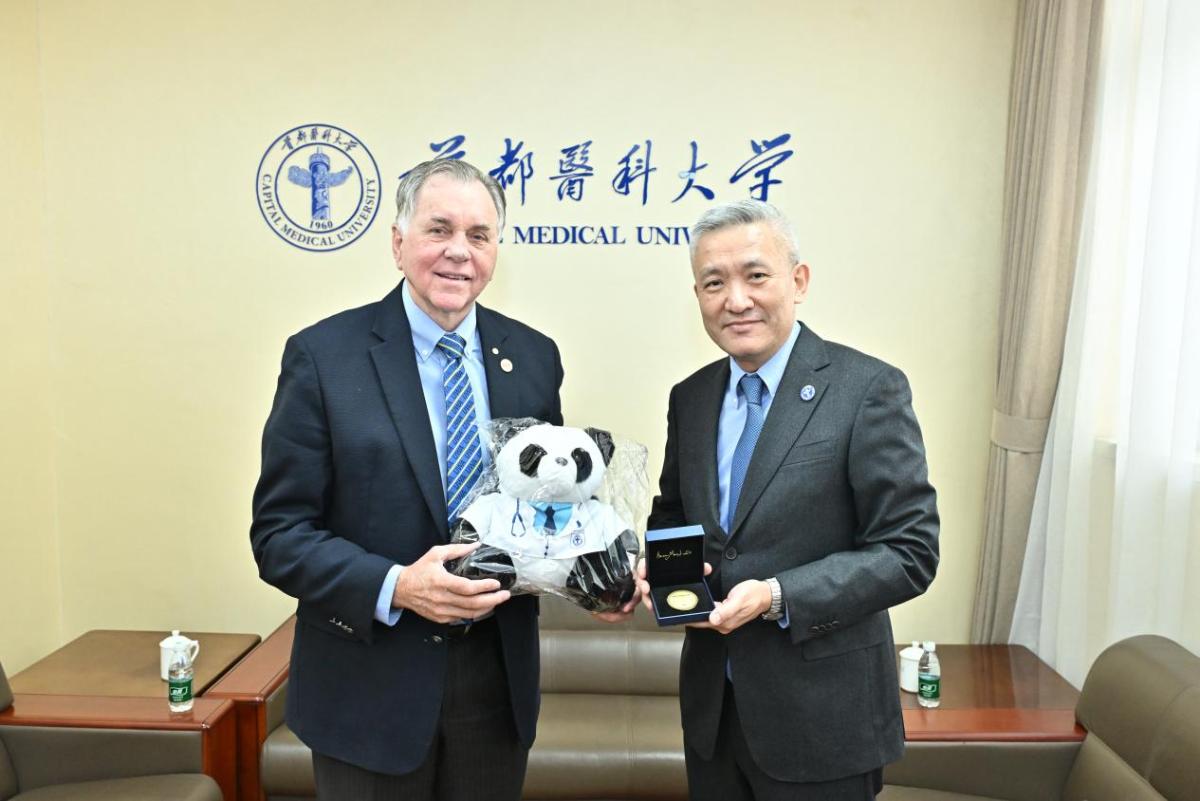
Meeting between President Zhang Luo and Professor Marshall with gift exchange
Prior to the lecture, Zhang Luo, Deputy Party Secretary and President of CMU, held a meeting with Professor Barry J. Marshall.
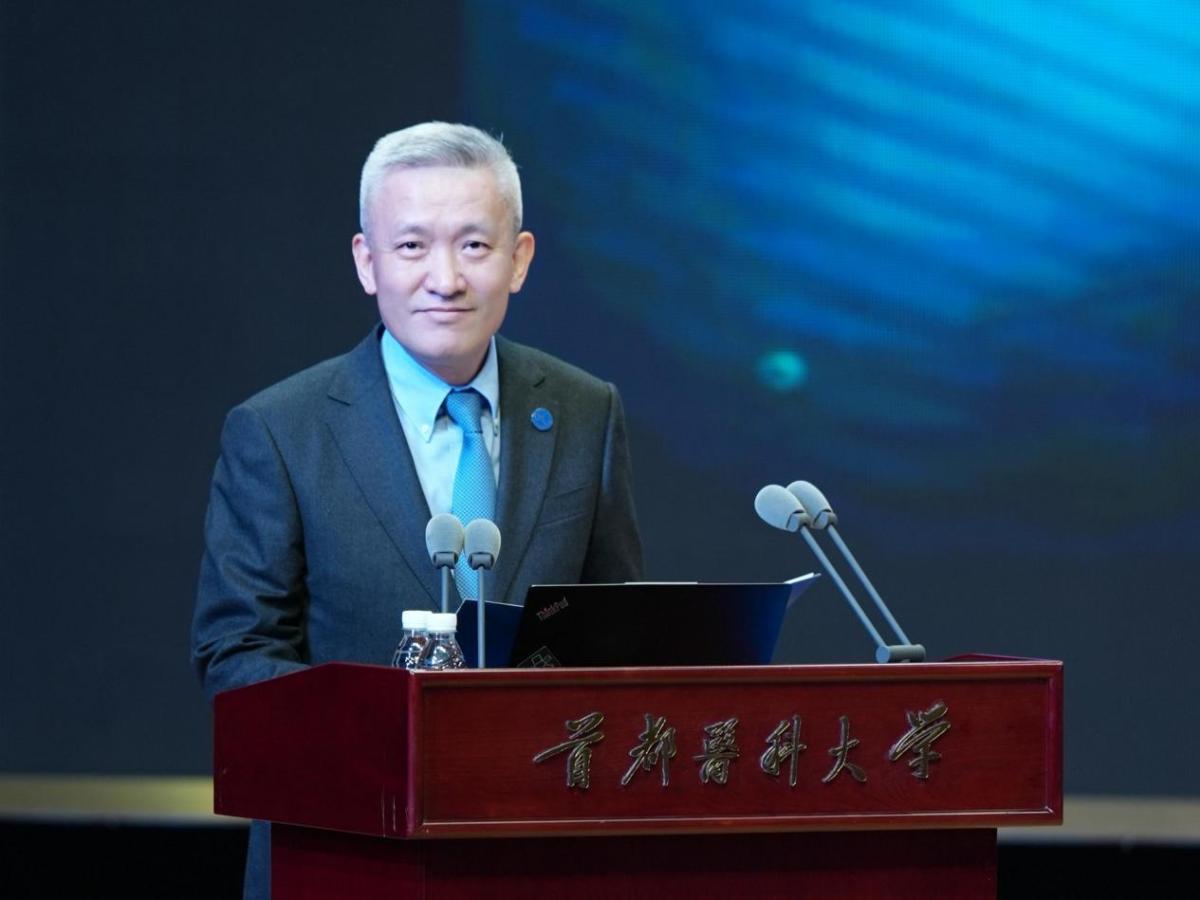
President Zhang Luo Delivers a Speech
At the beginning of the lecture, Zhang Luo, on behalf of the university, extended a warm welcome to Professor Marshall. He spoke highly of Professor Marshall's epoch-making discoveries in the field of medicine, as well as his outstanding contributions to promoting international academic exchanges and enhancing global medical cooperation. He noted that the discoveries made by Professor Marshall's team have revolutionized the clinical treatment of gastric ulcers, generating immeasurable public health value and socioeconomic benefits. He expressed the hope that this lecture would serve as an opportunity to broaden the international academic horizons of faculty and students at Capital Medical University, deepen the university's cross-border medical research collaboration, and contribute the university's strength to safeguarding human health and building a global community of health for all.
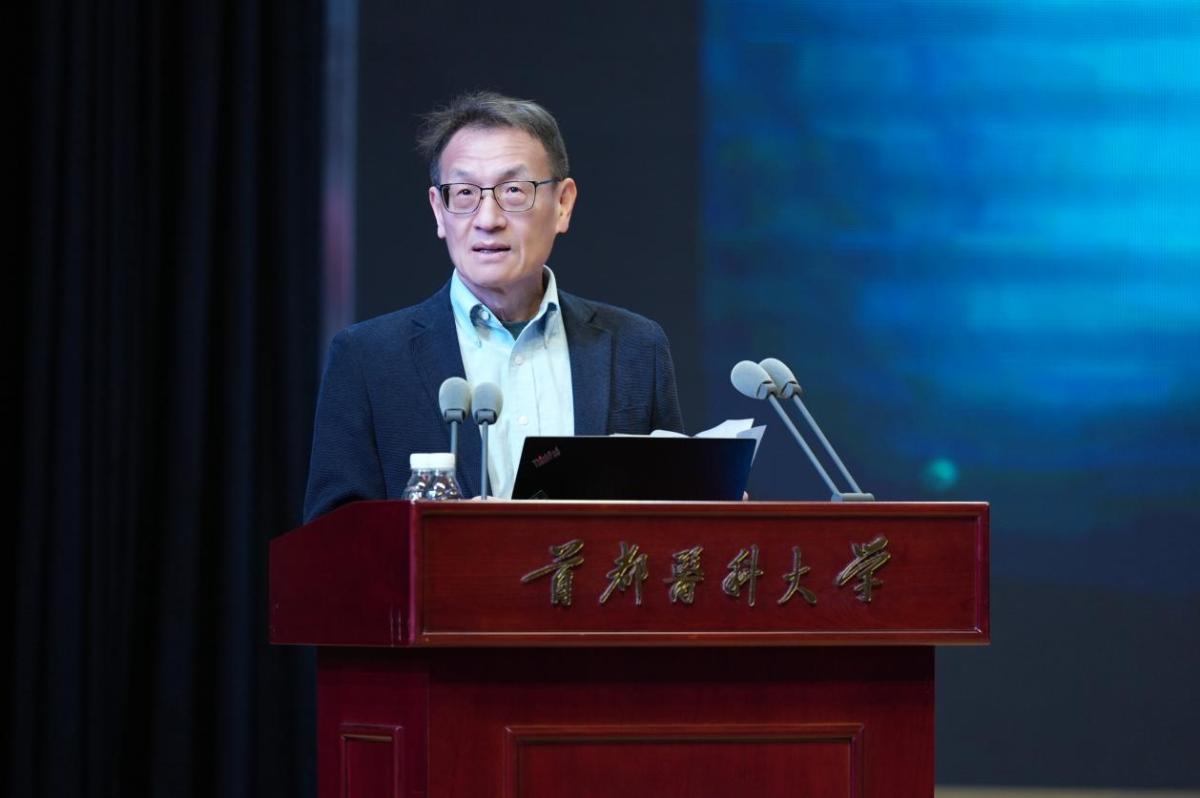
Mei Lin Hosts the Lecture
The lecture was presided over by Mei Lin, Distinguished Research Fellow and Director of Chinese Institutes for Medical Research, Beijing, and Chair Professor of Capital Medical University. Mei Lin provided a detailed introduction to Professor Marshall's academic career and outstanding achievements, with a special focus on his landmark self-experimentation. At the time, in order to test the scientific hypothesis that Helicobacter pylori was the causative agent of gastric ulcers and gastritis, Professor Marshall resolutely drank a culture containing H. pylori despite skepticism from the scientific community and the risks to his own health. He personally experienced the acute gastritis symptoms caused by the bacterium, thus confirming his research hypothesis through self-experimentation and driving a revolutionary breakthrough in the field of gastroenterology worldwide.
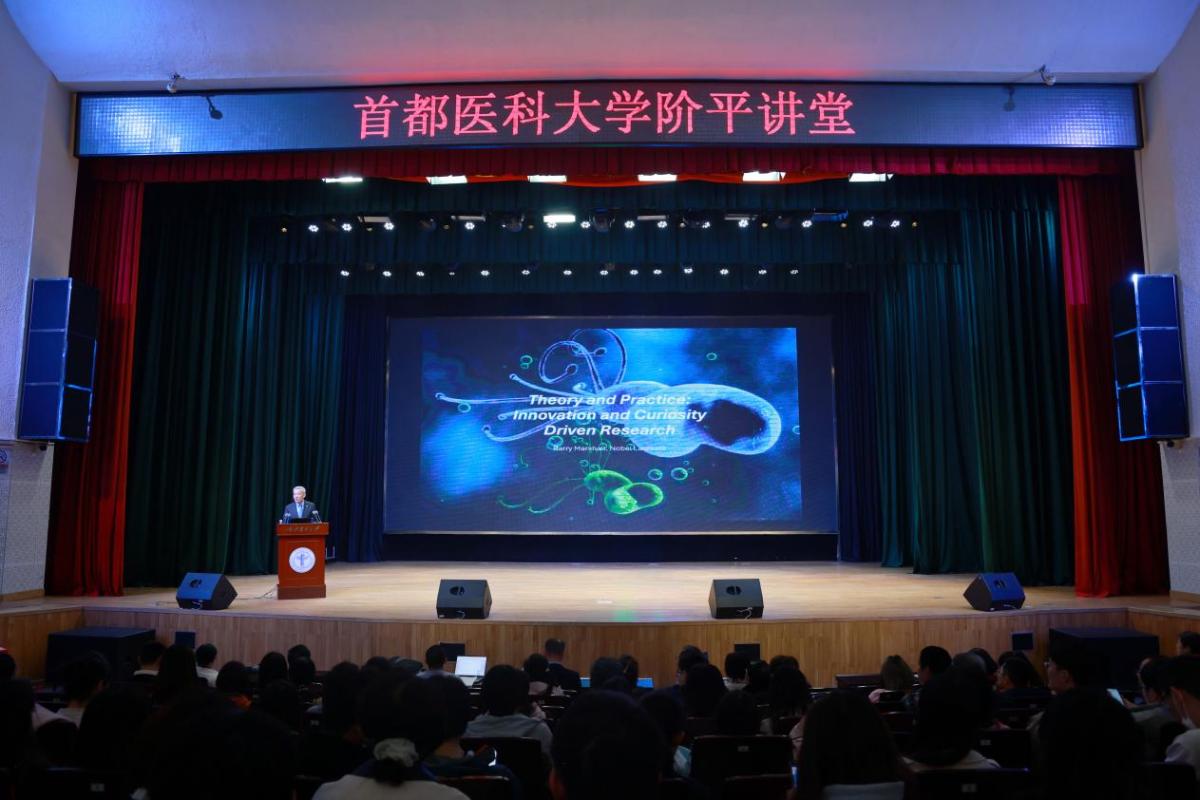
The Jieping Forum in Session
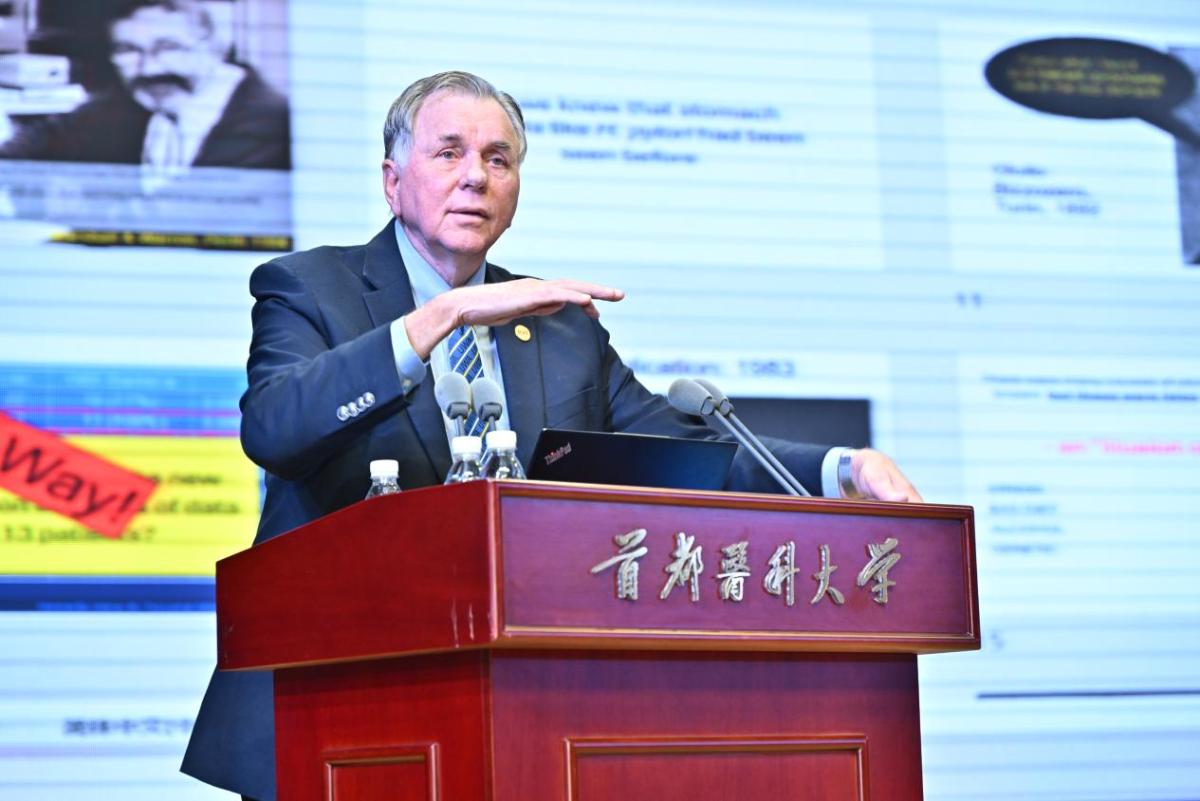
Professor Marshall Delivers Keynote Address
Professor Marshall is the founder and pioneer of the pathogenic mechanism of Helicobacter pylori. Together with Professor Robin Warren, he discovered H. pylori and was awarded the 2005 Nobel Prize in Physiology or Medicine for this achievement. This discovery completely overturned conventional wisdom, revolutionized the clinical treatment of gastric ulcers, and holds milestone significance in the global medical field. During this lecture, he deconstructed in depth the entire chain of innovation—from the formulation of a scientific hypothesis, through experimental validation, to the translation of clinical outcomes. His unique research philosophy and persistent spirit of exploration drew a warm response from the faculty and students present.
Professor Marshall opened the lecture with a warm greeting in Chinese, which quickly drew him closer to the faculty and students in attendance. He recounted the research background of the 1980s, when the prevailing medical view held that "peptic ulcers were caused by excessive stress or hyperacidity." Together with his collaborator, Professor Robin Warren, he dared to challenge the established authority and put forward a novel hypothesis of "bacterial infection as the causative agent," which he subsequently verified through an extraordinarily courageous self-experiment. This breakthrough research not only rewrote medical textbooks but also ushered in a new era of antibiotic treatment for gastric ulcers, ultimately earning him the Nobel Prize in Physiology or Medicine. "Scientific exploration is inseparable from the courage to challenge authority. Genuine original innovation often emerges from bold questioning of entrenched 'conventional wisdom.'"
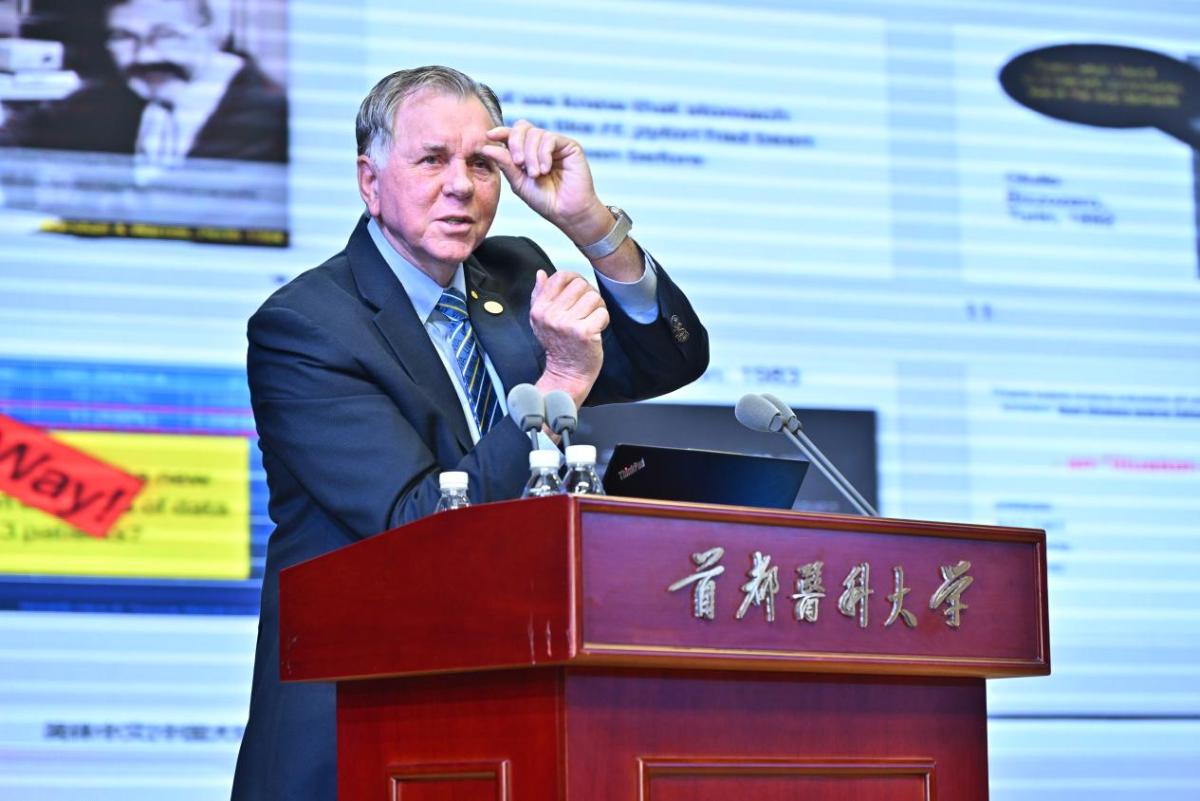
Keynote Address by Professor Marshall
During the academic frontier sharing session, Professor Marshall presented the latest progress made by his team in Helicobacter pylori research. The team's findings revealed that H. pylori can construct an "acid-resistant molecular shield" through its urease system, enabling stable colonization in the highly acidic gastric environment. Moreover, the bacterium can activate bone marrow-derived stem cells, induce chronic gastric inflammation, and consequently drive malignant transformation of gastric mucosal cells, successfully elucidating the key immune escape mechanisms underlying gastric carcinogenesis. In conjunction with large-scale epidemiological survey data from Chinese cities, his team further confirmed that early initiation of H. pylori eradication therapy can effectively reduce the risk of gastric cancer, and developed a non-invasive String Test combined with qPCR as a rapid and accurate diagnostic solution. "China is a country with a high prevalence of H. pylori infection, and at the same time, an important front for gastric cancer prevention and medical innovation," Professor Marshall specifically commended China's investment and achievements in early gastric cancer screening and diagnosis, while calling for enhanced global collaboration in medical research to jointly address the serious challenge of antibiotic resistance in H. pylori.
Reflecting on the original aspiration of scientific research and the paradigm of innovation, Professor Marshall concluded that every medical revolution is born from the profound interplay between real-world clinical problems and basic medical research. From the self-experimentation that risked his own health to the development of convenient and efficient non-invasive diagnostic tools, medical innovation demands that researchers embrace risk and uphold the spirit of empirical evidence. He encouraged the young scholars and medical students present to always remain sensitive to "anomalies" in research—it was precisely the contradiction between "patient ulcer recurrence" and "antibiotic efficacy" observed in clinical practice that led them to identify H. pylori as the true causative agent of the disease.
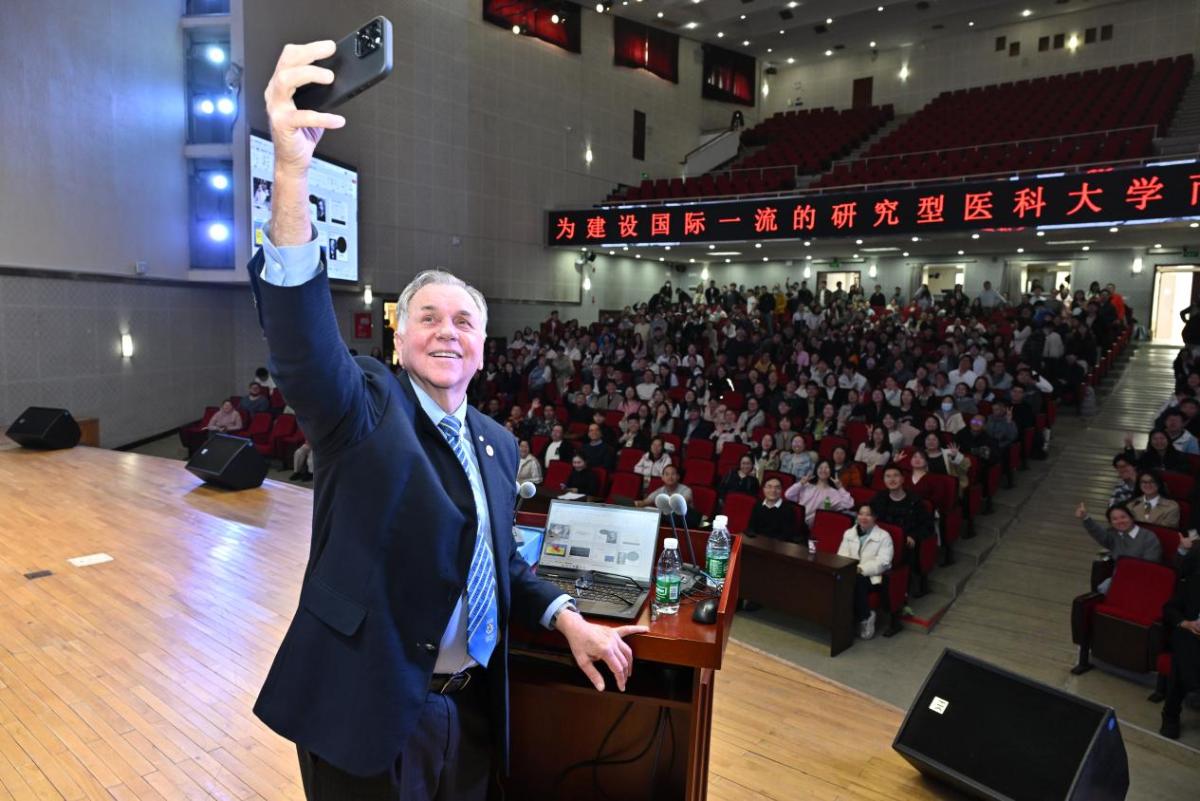
Group Photo of Professor Marshall with Faculty and Students
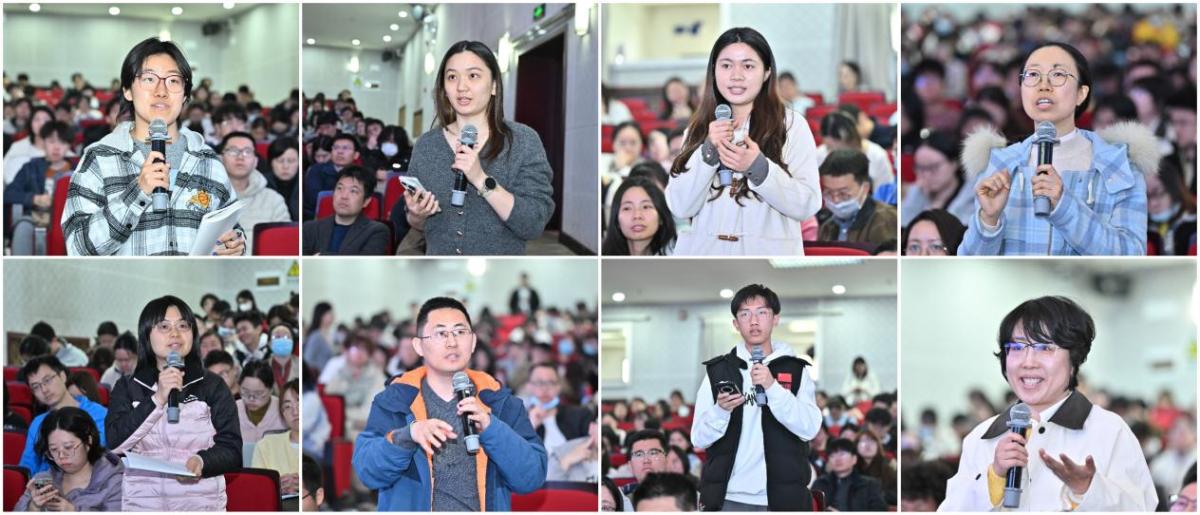
Q&A Session
Following the keynote address, the session transitioned into an interactive exchange, which was met with great enthusiasm. Faculty members and students posed questions eagerly, engaging in in-depth discussions with Professor Marshall on a wide range of core topics, including the mechanistic link between H. pylori infection and gastric carcinogenesis, strategies to enhance public awareness in China regarding standardized treatment for asymptomatic carriers, the core value of empirical evidence in clinical medical research, the driving role of curiosity in scientific innovation, and the frontiers of medical development alongside pathways for career growth among young researchers. Professor Marshall responded to each question with patience and thoroughness, sharing unique insights drawn from his own research experience, offering guidance and clarity to the audience, and fully demonstrating the scholarly excellence and humanistic spirit of a preeminent scientist.
As the lecture drew to a close, Mei Lin delivered concluding remarks. He noted that Professor Marshall's scientific career has fully demonstrated that disruptive breakthroughs in the medical field are never achieved without unconventional thinking, the courage to be a pioneer, and persistent dedication to practice. The successful launch of the inaugural Jieping Forum lecture not only brought cutting-edge academic knowledge to the faculty and students of the university, but also conveyed invaluable scientific spirit, fostering a rich atmosphere for cultivating innovative medical talents and promoting the development of academic exchange at the university.
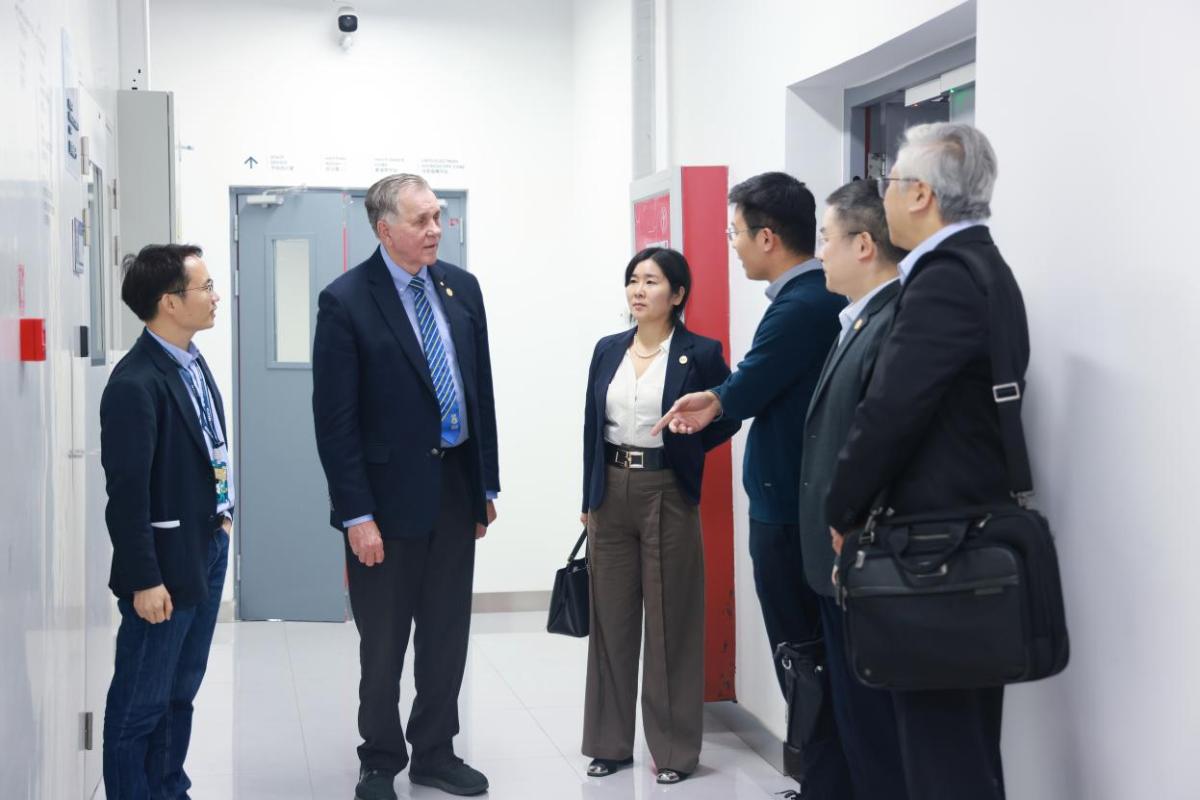
Professor Marshall Visits the University
In the afternoon, Professor Marshall and his team visited Chinese Institutes for Medical Research, Beijing (CIMR). They toured CIMR's technical cores, including the Medical Mass Spectrometry Core, Cryo-Electron Microscopy Core, High-Throughput Screening Core, Biological Library Core, and Multi-Omics Core. Impressed by the facilities, they discussed the cores' equipment and service capabilities with the respective directors.
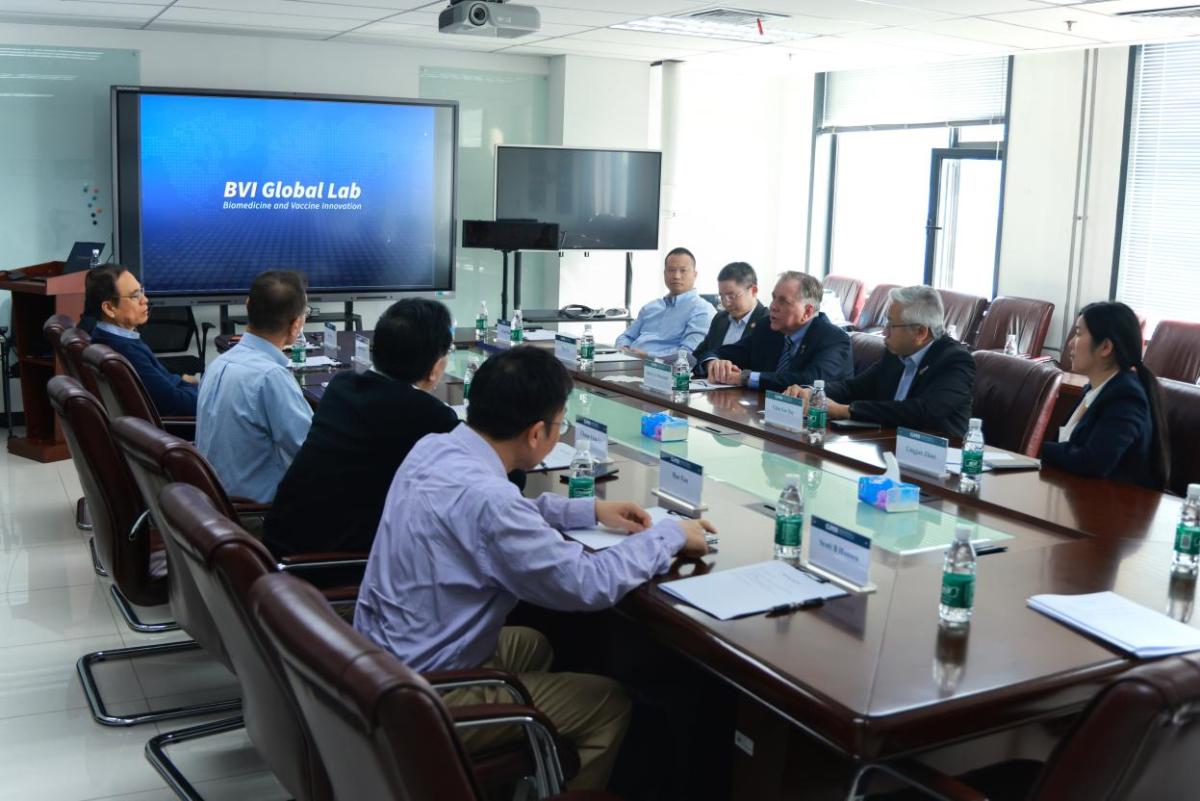
Roundtable Discussion
Subsequently, Professor Marshall and his team had a roundtable discussion with Professor Mei Lin, Professor Li Chuanyuan , Director of Chinese Institute for Molecular and Cellular Therapeutics, Professor Sun Shaocong , Director of Chinese Institute for Immunology, and over ten young principal investigators (PIs). Professor Mei Lin introduced the development of CIMR, while Professor Marshall's team shared their plans for the Global Biomedicine and Vaccine Innovation (BVI) Center, expressing a sincere interest in collaboration.